Elliott L. Dowling, regional director, East Region | Published on 9/4/2026
By: Elliott L. Dowling, regional director, East Region
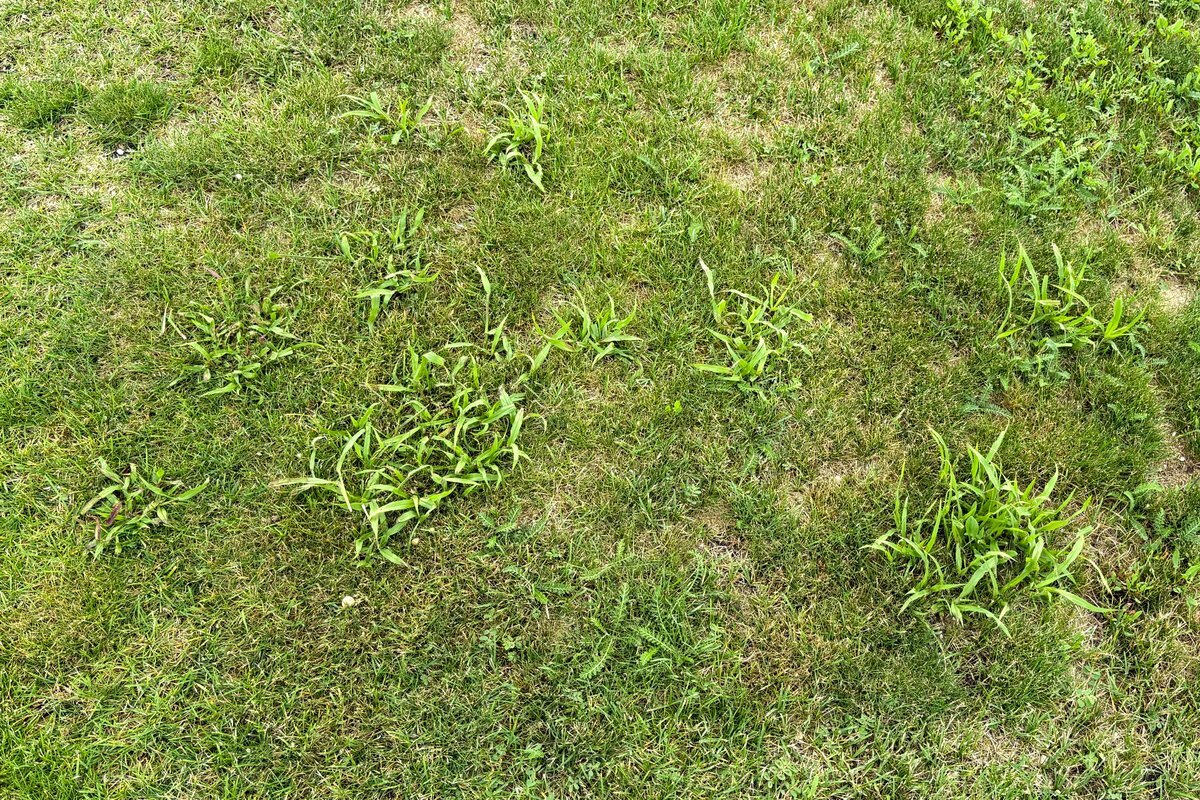
Dallisgrass can quickly become a noticeable issue and established clumps are difficult to control. (University of Maryland Extension)
Dallisgrass (Paspalum dilatatum) is one of the toughest perennial grassy weeds to manage in cool-season rough because it spreads by seed and has short, thick rhizomes that allow it to recover after an herbicide application. The best control programs combine proper identification, pre and postemergence herbicide applications, and carefully timed spot treatments with a nonselective herbicide.
It is hard to get good control of dallisgrass at the outset because none of the most common preemergence herbicides offer reliable control. If you have a problem currently, any seeds deposited in the soil can germinate next spring and mature plants can survive winter via rhizomes. Adding to the difficulty for control are the limited postemergence options. Several commonly used herbicides to control crabgrass list dallisgrass on the label but reading carefully, you'll see that those products only suppress dallisgrass, not control it.
So, what can you do if you have numerous large clumps in the rough this fall? Up the ante on dallisgrass by spot treating with the nonselective herbicide glyphosate. This is the most reliable option for large clumps, but it will also kill any desirable turf it contacts, so apply precisely and plan to seed, plug or sod treated areas afterward.
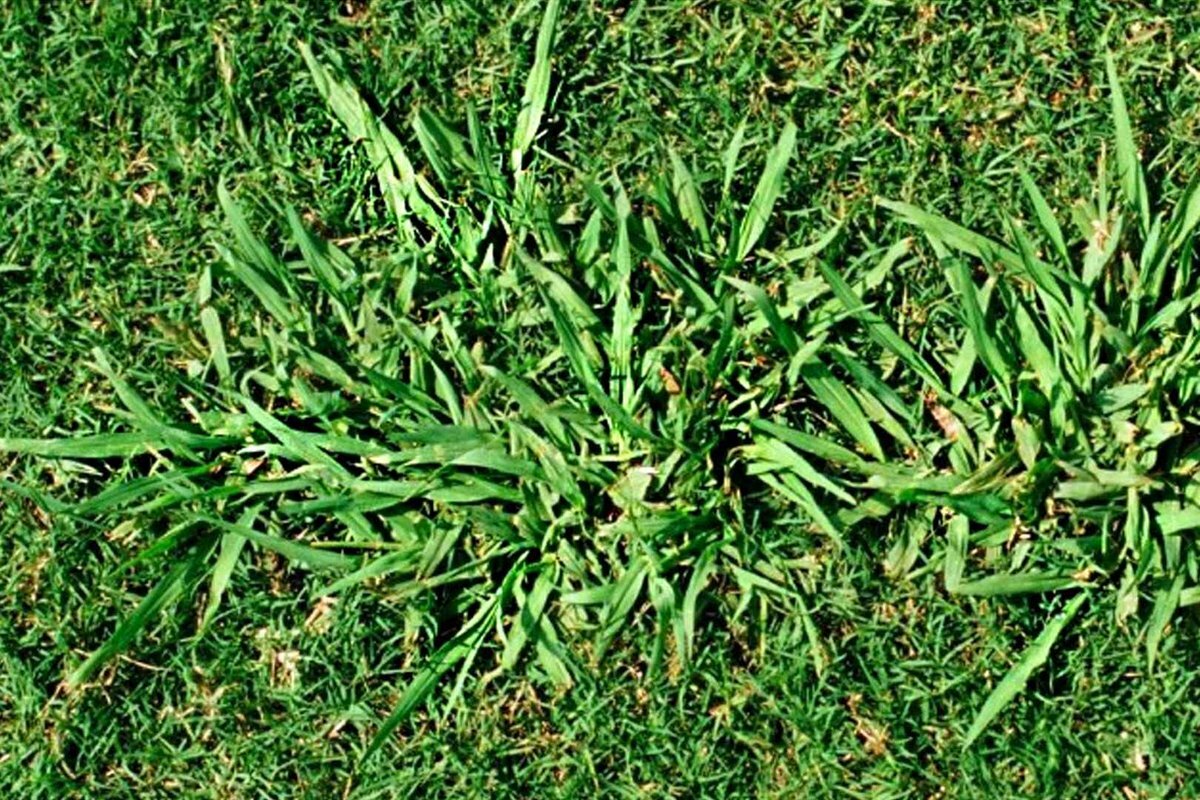
Timing and persistence matter. Dallisgrass is usually most vulnerable while actively growing in spring to early summer and again in late summer to early fall, so now is a great time to get after it. Expect to make multiple applications over more than one season, especially on mature clumps. Always follow the label directions, observe local regulations, and avoid using products intended only for warm-season turf, sod farms, rights-of-way or restricted professional uses.
Northeast Region Agronomists:
Darin Bevard, senior director, Championship Agronomy – dbevard@usga.org
Elliott L. Dowling, regional director, East Region – edowling@usga.org
Brian Gietka, agronomist – bgietka@usga.org
Information on the USGA's Course Consulting Service
Contact the Green Section Staff